



Thanks to our 2015 Summer Intern

23-10-2015
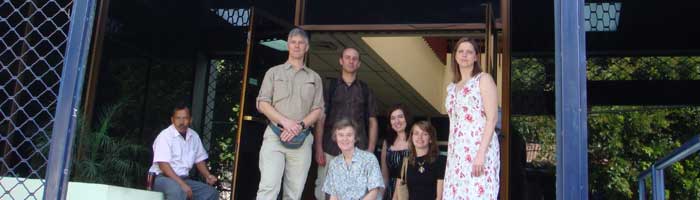
SalvAide sincerely thanks our 2015 Summer Intern, Christian Moreno, for a job well done. Christian is a graduate of the Carleton University Law and Legal Studies program where his research focused on the litigation brought against El Salvador by Canadian mining company Pacific Rim, now owned by Oce... Read more
Stop the Suits Tour: International Inves…

05-05-2015
May 5, 2015 (Montreal/Ottawa/Toronto) In anticipation of an imminent ruling from a little known investor-state arbitration tribunal at the World Bank that could force El Salvador to pay Canadian-Australian mining firm OceanaGold US$301 million. ... Read more
El Salvador's 2015 Legislative and Munic…

31-03-2015
March 31st, 2015 After an unprecedented delay caused initially by a failure in the computer software processing vote tallies, El Salvador’s Supreme Electoral Tribunal (TSE) announced late on Friday, March 27th the final results of the March 1st elections for the country’s congressional representati... Read more
Third Municipality Declared Free of Mini…
30-03-2015
*Translated and edited from the original in Spanish published March 30th here: 3er municipio declarado libre de mineria. by Alfredo Carias Nueva Trinidad in Chalatenango, located approximately 105 Km north of San Salvador, was declared by its population a municipality where mining is prohibited, b... Read more
Nueva Trinidad: the Town that Struggles …
25-03-2015
*Translated from the original in Spanish at: Nueva Trinidad el municipio que lucha contra la mineria y no contra la inseguridad. By: Mario Beltrán / March 25, 2015 El Salvador is a small country just over 20,000 square kilometers in size [about the size of Lake Ontario]. The country’s main problem... Read more
17th Annual Benefit Dinner & Auction
23-09-2014
Get your tickets whiel they last! Call 613-233-6215 or click here. SalvAide is proud to present the 17th edition of our annual benefit Dinner & Auction in Ottawa supporting social justice & community development in El Salvador. Thursday, October 23, 2014 ... Read more
FMLN's Presidential Ticket Officially De…
19-03-2014
Ottawa, 19 March 2014 – After carrying out due process as stipulated by Salvadoran electoral law, on Monday, 17 March, the country’s Supreme Electoral Tribunal (TSE) confirmed the conclusions from the 9 March preliminary electoral results and the 13 March final vote tally scrutiny and declared the F... Read more
Initial SalvAide Post-Election Statement…
14-03-2014
San Salvador, 10 March 2014 – SalvAide congratulates the Salvadoran people and the country’s Supreme Electoral Tribunal (TSE) for a transparent and festive Presidential run-off election with a likely record voter turn out. Read more
Initial SalvAide Post-Election Statement
10-03-2014
San Salvador, 10 March 2014 – SalvAide congratulates the Salvadoran people and the country’s Supreme Electoral Tribunal (TSE) for a transparent and festive Presidential run-off election with a likely record voter turn out. Our observers witnessed a well-run and calm electoral process and noticed im... Read more